
Scales for Trailers and Caravans – Accurate Load Measurement
Scales are essential for ensuring the correct load distribution on trailers, caravans, and similar vehicles. These weighing devices, also known as load indicators or weight gauges, provide reliable measurements to help prevent overloading and enhance safety during transport.
- ✔ Accurate measurement of drawbar loads for trailers and caravans
- ✔ Easy-to-use weighing platforms designed for quick setup
- ✔ Durable construction for long-lasting performance
- ✔ Helps maintain compliance with safety regulations
Find the perfect option and order now!
Frequently Asked Questions
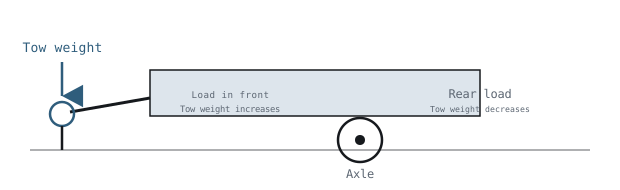
The drawbar load is the weight with which the drawbar rests on the ball of the trailer coupling. It is determined by the distribution of the load: a load in front of the axle increases the drawbar load, whilst a load behind it reduces it.
Three values are relevant, and the lowest one applies: the permissible drawbar load of the trailer, that of the tow bar, and that of the towing vehicle. Typical values for car trailers range between 50 and 100 kg.
The minimum value is 4 per cent of the actual trailer load. An insufficient drawbar load is dangerous — the combination is prone to swaying. Too much overloads the coupling and the rear axle.
How to measure the drawbar load: with the trailer uncoupled and positioned horizontally, use a drawbar load scale. Place the scale under the coupling, lower the trailer to coupling height and read the value. It is important that the trailer is horizontal — a trailer that is at an angle will show an incorrect reading.
Even more convenient: there are support wheels with an integrated drawbar weight gauge. The display is built directly into the support wheel — you can see the drawbar weight as you wind the wheel up and down, without having to fetch an additional device. This is the most practical solution for anyone who frequently loads their trailer differently.
A rule of thumb when loading: place heavy items over or just in front of the axle, not right at the back. A trailer loaded at the rear handles unsteadily, even if the total weight is correct. Check the drawbar load again after reloading.
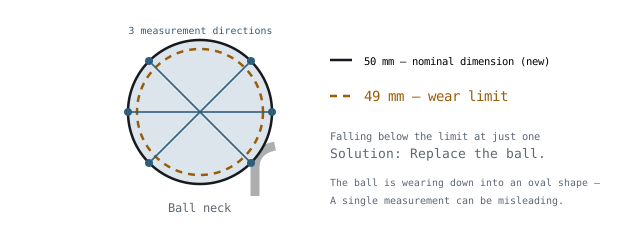
Ball head on the towing vehicle: The new ball head has a diameter of 50 mm; the wear limit is 49 mm. Measure in several directions using a calliper — the ball wears down in an oval shape, and even a single point measuring less than 49 mm means it needs replacing.
Tow ball coupling on the trailer: Signs include noticeable play on the ball, rattling whilst driving, or a coupling that no longer engages properly. Many couplings have a wear indicator on the handle — if the pointer is in the red zone, it needs replacing.
Assess both together: a new coupling fitted to a worn-out ball will continue to rattle.
Lubrication: The ball and coupling wear out much faster if left dry. An important exception is anti-sway couplings: their friction linings must remain grease-free; in this case, only the ball is cleaned. Grease on the linings renders the anti-sway damping ineffective and ruins the linings.
A worn-out pair will be flagged during the annual general inspection. Replacement: Ball couplings and accessories.

There are no product filters available for current page
{{ filter.fu || tmpValue.vn }}

Product Overview
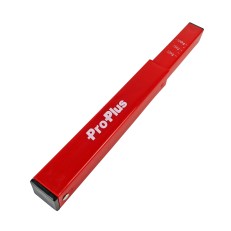
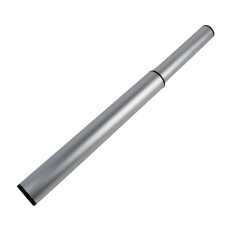
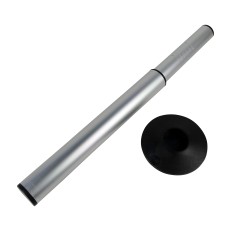
Scales in this category are specifically engineered for determining the drawbar load of trailers, caravans, and similar vehicles. These measurement platforms, including both plastic and aluminium models, offer a practical solution for checking and adjusting the weight distribution before travel. With user-friendly designs and clear displays, these weighing devices simplify the process of load management and help avoid common transport issues.
Key Features & Benefits
Each weight gauge is built for stability and accuracy, ensuring dependable results every time. The robust construction—ranging from sturdy red plastic to lightweight aluminium—guarantees durability even with frequent use. Some models include additional features like a support plate or a convenient storage bag, making them easy to transport and store. By using these load indicators, users can quickly verify drawbar loads and reduce the risk of unsafe towing conditions.
Selection Guide
When choosing the right weighing platform, consider your specific requirements such as the type of trailer or caravan, preferred material, and ease of handling. Models with support plates offer added stability on various surfaces, while compact designs are ideal for storage in tight spaces. Selecting the appropriate scale ensures precise measurement and optimal safety for every journey.
Applications
These scales are suitable for a wide range of applications, including use with boat trailers, caravans, campers, and other towed vehicles. They are invaluable for both private users and professionals who require consistent and accurate load measurement. Whether preparing for a holiday trip or managing fleet logistics, these weighing devices provide the reliability and peace of mind needed for safe transport.
Find the right option now and order online.
Nachrichten Kategorie

Excellent


